
“Entre mis Cicatrices” (“Among my Scars”) Exhibition
LOCATION:
Honduras
PARTNERS:
Museum for National Identity, Ciudad Mujer, Ministry of Health, IHSS, United Nations University for Peace, National Autonomous University of Honduras
FUNDERS:
Anonymous
Women and girls across Latin America face the consequences when reproductive health services are unsafe or unavailable.
THE NEED:
In Honduras, women who experience obstetric emergencies—including miscarriages and stillbirths—often face suspicion, stigma, and even criminal prosecution under one of the region’s most restrictive reproductive legal frameworks. Their stories are routinely erased or silenced, leaving a public narrative of reproductive rights shaped by fear and misinformation. There is an urgent need to humanize women’s experiences, raise awareness of the injustices they face, and foster national dialogue on reproductive rights and legal reform.
OUR APPROACH:
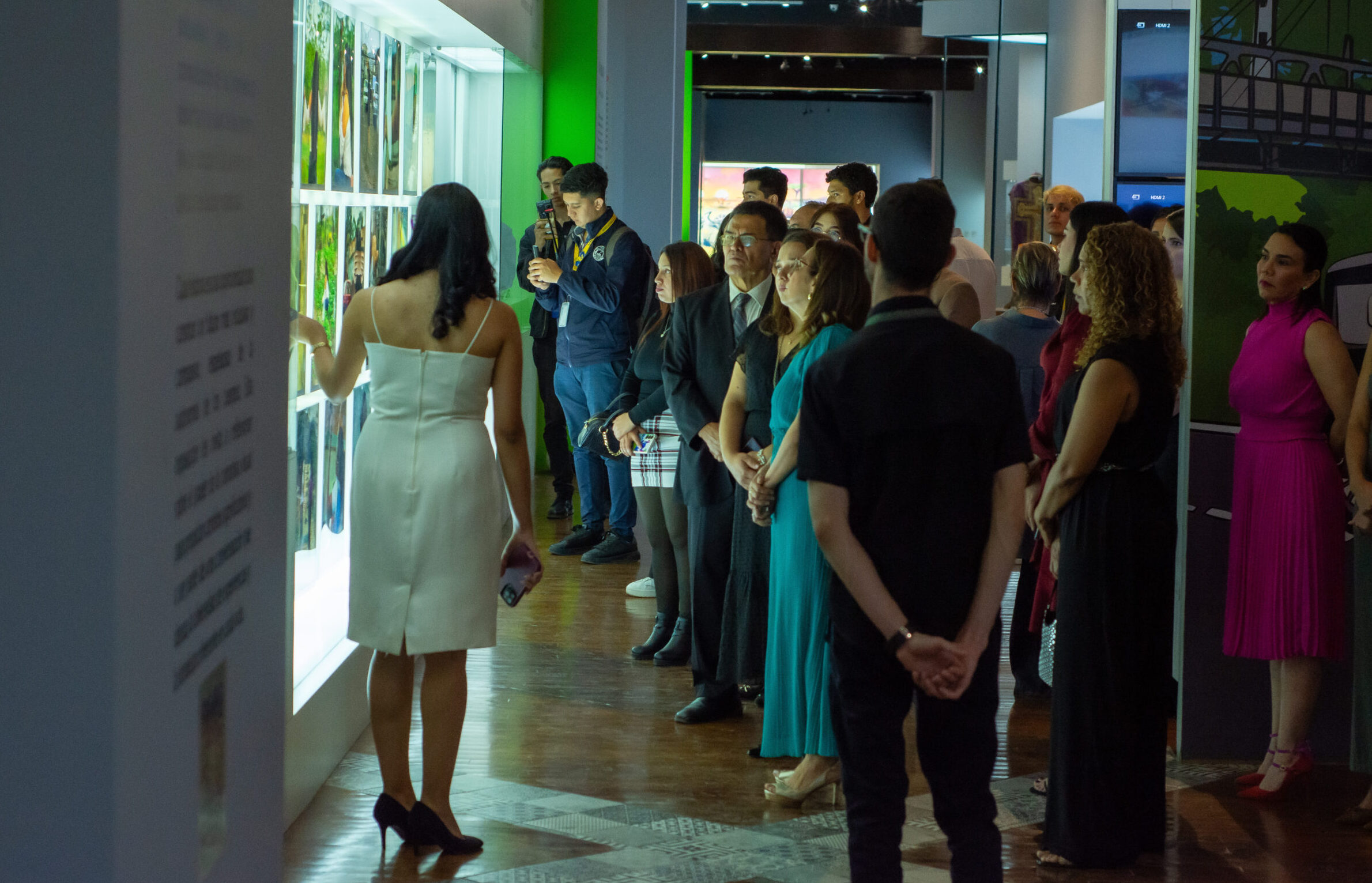
Optio partnered with the Museum for National Identity to create Entre mis Cicatrices (“Among my Scars”), a powerful photography exhibition that spotlights the stories of Honduran women criminalized following obstetric emergencies. Through portraits, personal belongings, and narrative storytelling, the exhibit highlights their resilience and the broader human rights implications of criminalization. The opening event brought together representatives from key health, legal, academic, and international institutions, including the Ministry of Health, UNAH, and UN Women, to ensure wide reach and connection across sectors. The exhibit is a powerful tool to support broader research and policy dialogues.
IMPACT:
The exhibition opened on February 27, 2025, in Tegucigalpa, drawing wide attention from national institutions and international organizations. In April, 2025, it became a traveling exhibit through the MIN Suitcase Project—bringing these stories to communities across Honduras. A permanent version will stay on display in Tegucigalpa through the end of the year, ensuring sustained public engagement with the realities of criminalized women and the urgent call for justice.